


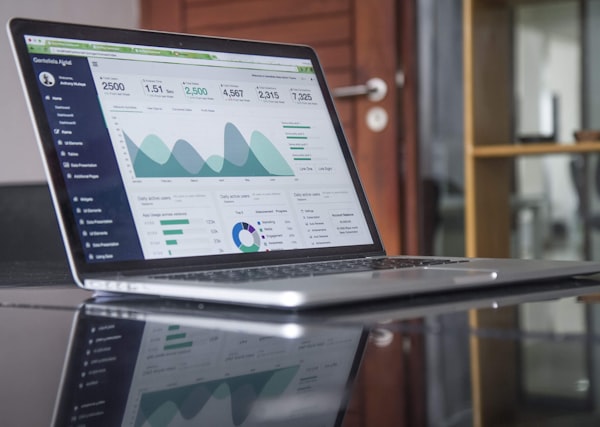

Have you ever looked at your campaign results, and thought, “Are these numbers actually good, or are they just good enough that no one has complained?” This is exactly why Google introduced Campaign Benchmarking on August 10, 2026. Google has finally released a feature that Google Analytics has been lacking: it compares the performance of your campaign to that of other businesses like yours and provides you with anonymized data. Now you don’t have to guess what the numbers mean, or scroll through outdated industry reports from 2022.
What Campaign Benchmarking in Google Analytics Actually Is
Put simply, Campaign Benchmarking in Google Analytics is a feature of Ask Advisor, the AI tool that Google announced during Marketing Live this year. You just have to pose it a question such as “how have my campaigns performed during the month” and it will provide you with the answer backed by data collected from other businesses.
How Campaign Benchmarking in Google Analytics Pulls Its Numbers
The assessment is not arbitrary or inferred from a standard industry average. With Google Analytics, Campaign Benchmarking utilizes actual anonymized data from the other Analytics properties in your competitive set, providing you with a median and a spread from the 25th and 75th percentile. In this way, Campaign Benchmarking does not just inform you that “you’re doing well.” Rather, it gives you the precise information about your performance and your position in comparison with your competitors.
Why Marketers Should Care About Campaign Benchmarking in Google Analytics
Honestly, this fixes a problem a lot of small teams have quietly dealt with for years. If you’re a solo marketer or a new account with barely six months of history, you don’t have enough of your own data to know if a number is good. Campaign Benchmarking in Google Analytics hands you a reference point on day one instead of making you wait a year to build one yourself.
How Campaign Benchmarking in Google Analytics Works Under the Hood
Campaign Benchmarking in Google Analytics doesn’t come out of nowhere. It’s built on the same peer group system that already runs benchmarking across the Acquisition, Engagement, Monetization, and Retention reports in GA4. Your peer group gets assigned based on the industry category you picked at setup, and Google fine tunes it from there.
Peer Groups and Campaign Benchmarking in Google Analytics
Google doesn’t just look at the category box you checked during setup. It also looks at signals from your actual site, things like your URL structure and app attributes. So if your site went through solid Website Development, with clear structure and pages that are actually labeled the way they should be, Google has an easier time slotting you into the right peer group for Campaign Benchmarking in Google Analytics. Messy sites tend to get messier comparisons.
Getting Campaign Benchmarking in Google Analytics Turned On
You’ll need the Modeling contributions & business insights setting flipped on in Admin, under Account Settings, before any of this works. Google’s own help docs on benchmarking mention the underlying benchmark data only goes back to May 2024, and it won’t show up if your date range is set to “today.” Once that setting’s on, Campaign Benchmarking in Google Analytics shows up through Ask Advisor, currently in beta for English language accounts.
Making Sense of What Campaign Benchmarking in Google Analytics Tells You
This part trips people up more than it should. Campaign Benchmarking in Google Analytics isn’t handing out a grade. There’s no A or F here. It’s a range, and where you land inside that range is the actual story worth paying attention to.
Campaign Benchmarking in Google Analytics for Paid Campaigns
Paid channels are where this thing shows its value fastest. If you’re spending money through Performance Marketing on Search or Display, Campaign Benchmarking in Google Analytics is exactly the kind of tool that catches a weak campaign early, before you’ve burned through a whole quarter’s budget on the wrong audience or the wrong creative.
Campaign Benchmarking in Google Analytics for Organic and Social Traffic
It’s not only about ad spend either. If Social Media Marketing is a big part of how you bring people in, Campaign Benchmarking in Google Analytics can show whether your engagement and session quality from that traffic genuinely hold up against similar businesses, instead of just assuming a busy feed automatically means a healthy funnel.
Reading the Percentiles in Campaign Benchmarking in Google Analytics
If your new user rate sits below the 25th percentile, that tells you a lot more than a small month over month dip ever could. Teams putting real money into SEO services to grow organic traffic can use Campaign Benchmarking in Google Analytics to check if that spend is actually closing the gap against similar competitors, rather than just watching a number go up in isolation.
Campaign Benchmarking in Google Analytics Compared to the Old Way
Marketers have always found workarounds for not having real peer data. Industry reports. Competitor guesswork. Expensive research subscriptions that go stale the second you download them. Campaign Benchmarking in Google Analytics quietly replaces most of that manual legwork with something built straight into your existing reports.
| What You’re Comparing | The Old Manual Way | Campaign Benchmarking in Google Analytics |
| Where the data comes from | Public reports and best guesses | Real anonymized data from GA4 peer businesses |
| How long setup takes | Days of digging per report | Already built in once you flip the setting on |
| How often it updates | Monthly, maybe quarterly | Every 24 hours |
| How close the peer match is | Broad industry averages | Matched to your specific category |
| What it costs | Analyst hours or paid tools | Free with GA4 once Modeling contributions is on |
Why Campaign Benchmarking in Google Analytics Actually Matters Here
The real difference is freshness. A report from three months ago is basically fossilized by the time your campaign wraps. As Search Engine Journal covered when the feature launched, Campaign Benchmarking in Google Analytics refreshes daily and narrows the comparison down to a group that genuinely looks like your business, sometimes down to a specific subcategory like athletic footwear or B2B services.
Campaign Benchmarking in Google Analytics for Businesses in Udaipur
You don’t need a national ad budget for this to matter. Local businesses across Udaipur and the rest of Rajasthan run the same kinds of campaigns as bigger brands, just at a smaller scale, and Campaign Benchmarking in Google Analytics works the same way for both.
Local Ecommerce and Campaign Benchmarking in Google Analytics
Stores built on solid technical groundwork tend to see it show up directly in their benchmark position. Brands that invested in proper Website Development Services in Udaipur, with fast load times and navigation that actually makes sense, usually pull stronger engagement and lower bounce rate numbers than sites thrown together in a hurry. Campaign Benchmarking in Google Analytics makes that gap pretty hard to ignore.
Local Service Businesses and Campaign Benchmarking in Google Analytics
Hotels, boutiques, restaurants, it doesn’t matter what kind of service business you’re running. A slow month could mean the whole travel or retail category dipped, or it could mean something in your own strategy needs a look. Campaign Benchmarking in Google Analytics is what tells you which one it actually is.
Picking the Right Partner for Campaign Benchmarking in Google Analytics
Reading a benchmark correctly still takes someone who actually knows what they’re looking at. Agencies like Digital Locus help local businesses turn Campaign Benchmarking in Google Analytics data into something they can act on, instead of just a number sitting in a dashboard nobody checks.
Paid Media Help With Campaign Benchmarking in Google Analytics
An agency running ad accounts every day usually spots a real problem faster than someone checking numbers once a month. Businesses working with Performance Marketing Services in Udaipur get that read built right into their regular reporting, so Campaign Benchmarking in Google Analytics becomes one more thing an experienced media buyer already knows how to act on.
Organic Growth Help With Campaign Benchmarking in Google Analytics
Organic benchmarks need patience that paid ones don’t, since ranking changes take months, not days. Teams working with SEO Services in Udaipur can use Campaign Benchmarking in Google Analytics to set targets that make sense for their actual traffic, instead of chasing a number some totally different competitor happened to hit.
Social Strategy Help With Campaign Benchmarking in Google Analytics
Social is probably the hardest channel to judge on your own, since engagement swings wildly depending on the platform and the content. Businesses working with Social Media Marketing Services in Udaipur can bring Campaign Benchmarking in Google Analytics into their content planning, using the peer range as a gut check rather than a number they have to hit every single month.
Wrapping Up Campaign Benchmarking in Google Analytics
Campaign Benchmarking in Google Analytics answers a question marketers have been guessing at for years: are these numbers actually good, or does it just feel that way because nothing’s obviously broken? Google’s own announcement post frames it as one piece of a bigger push into agentic, in-product guidance rather than a standalone report, launched alongside a batch of other AI updates across Google Ads and Analytics. If you want more than just a number on a screen, pairing Campaign Benchmarking in Google Analytics with a team that knows how to act on it turns the comparison into an actual growth plan.
FAQs
What is benchmarking in Google Analytics?
Benchmarking in Google Analytics is the process of comparing your website’s performance with industry averages or similar businesses. It helps you understand whether your metrics, such as users, sessions, engagement rate, and conversion rate, are performing above or below industry standards. Google Analytics uses aggregated and anonymized data from participating businesses to provide these comparisons. Benchmarking helps identify performance gaps, set realistic goals, and discover opportunities for improvement. It is particularly useful for evaluating marketing performance and understanding how your website compares with competitors in the same industry.
How to track campaigns in Google Analytics?
You can track campaigns in Google Analytics using UTM parameters added to your campaign URLs. These parameters identify where your traffic comes from and which campaigns generate results. Common parameters include utm_source, utm_medium, utm_campaign, utm_term, and utm_content. After users visit your website through these tagged links, Google Analytics records the campaign information. You can then view campaign performance in reports such as Acquisition and analyze traffic, engagement, conversions, and revenue to determine which marketing campaigns are most effective.
What are the four types of benchmarking?
The four common types of benchmarking are internal, competitive, functional, and generic benchmarking. Internal benchmarking compares performance between different departments, teams, or locations within the same organization. Competitive benchmarking compares your performance with direct competitors. Functional benchmarking compares specific processes or functions with organizations that perform them particularly well, even in different industries. Generic benchmarking focuses on comparing broader business processes and best practices across different industries. Together, these approaches help businesses identify performance gaps, learn from successful practices, and improve their strategies.
What is the purpose of benchmarking?
The purpose of benchmarking is to measure performance against a relevant standard and identify areas where improvement is needed. In digital marketing and Google Analytics, benchmarking helps businesses understand whether their website traffic, engagement, conversions, and other metrics are performing as expected compared with similar businesses or industry averages. It can reveal strengths, weaknesses, and performance gaps while helping teams establish realistic goals. By using benchmarking regularly, businesses can make more informed decisions, improve marketing strategies, allocate resources effectively, and work toward stronger overall performance.
