

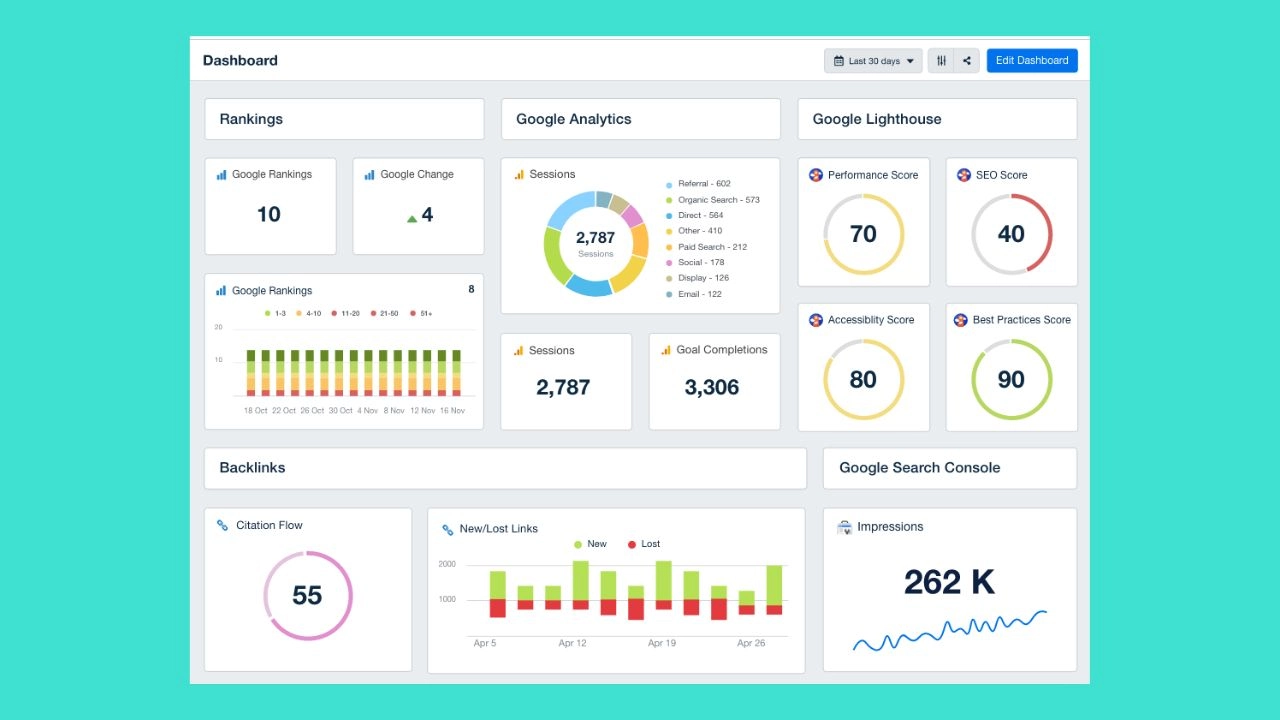
The search engine optimization is just more than keywords and feedback – this is about your entire site ecosystem to ensure what the search engines and users expect. This is why the SEO audit is important. Conducting regular SEO audits can identify hidden problems, improve your digital strategy and fuel permanent development. Whether you are a master for a small company or digital marketing management, it is important to understand the power of the SEO audit for the long term.
What is an SEO Audit?
An SEO audit is a comprehensive analysis of the ability to rank in the search engine results (SERP). It evaluates the technical, in the places and the side of your site. Goal? To detect any problems that can prevent performance and find ways to improve.
Most experts agree that the audit should be done at least every quarter. A well-executed SEO audit acts as a report card for your website-Mobile grades everything from accountability to keyword targeting.
Not sure where to begin? Get a custom strategy tailored to your business.
Why SEO Audit is Important for Long-Term SEO Health
Let’s break down why SEO audit is important by looking at its multifaceted benefits:
1. Diagnosing Technical SEO Issues
Technical SEO refers to how search engine bots crawl and index your site. Any roadblocks in this process can seriously impact rankings.
- Broken links
- Crawl errors
- Redirect chains
- Site speed problems
- XML sitemap issues
According to Google, mobile sites that load in under 5 seconds earn 70% longer sessions (source: Think with Google). This is why SEO audit is important—it ensures these issues are detected early.
2. Improving User Experience (UX)
Google’s algorithm now prioritizes user experience more than ever. Core Web Vitals, for example, measures how quickly and smoothly your pages load and respond.
An SEO audit evaluates:
- Mobile-friendliness
- Site structure and navigation
- Page speed
- Interactivity
All of these metrics contribute to a better experience, keeping users engaged and decreasing bounce rates.
3. Staying Updated With Algorithm Changes
Search engines update their algorithms frequently, sometimes daily. One of the biggest reasons why SEO audit is important is to ensure your site remains compliant with those changes.
For instance, Google’s Helpful Content Update in 2022 reemphasized the need for content that genuinely serves users. Regular SEO audits allow you to adapt to such updates before they affect your rankings.
4. Enhancing Content Strategy
An audit helps identify underperforming content, keyword gaps, and duplication issues.
You might discover:
- Pages missing meta tags
- Thin content (less than 300 words)
- Poor keyword optimization
You can then restructure or rewrite that content to meet SEO and user expectations.
5. Backlink Profile Evaluation
Backlinks remain a top Google ranking factor. But not all backlinks are good. Some may be spammy or irrelevant.
An SEO audit helps:
- Spot toxic backlinks
- Identify backlink opportunities
- Understand anchor text distribution
According to a study by Backlinko, pages with more backlinks rank higher than pages with fewer backlinks (source: Backlinko). That’s why SEO audit is important for your off-page strategy.
What Does an SEO Audit Involve?
Understanding why SEO audit is important starts with knowing what’s included. An SEO audit is a complete review of your website’s ability to rank in search engines. It focuses on identifying weaknesses and strengths across various technical and content areas. Audits help uncover:
- Broken links, crawl issues, or indexing errors
- Poor keyword optimization and duplicate content
- Weak user engagement and bounce rate problems
- Ineffective on-page or off-page strategies
These issues, if left unchecked, can affect your visibility, traffic, and conversions. A solid audit provides actionable insights to align your website with search engine expectations. That’s exactly why SEO audit is important – it’s the starting point for fixing, refining, and outperforming your competitors online.
1. Technical SEO Assessment
A strong technical foundation is essential. One reason why SEO audit is important is that it uncovers issues that hinder indexing or crawling. An audit checks:
- Page loading speed
- Mobile responsiveness
- Site structure and XML sitemaps
- HTTPS and Core Web Vitals
- Crawl errors and redirects
If you struggle with interpreting such data, a Google Analytics consultant can bridge the gap between insight and implementation.
2. Content Analysis
Another key reason why an SEO audit is important is content relevancy. Google values:
- Unique and original content
- High EEAT signals (expertise, experience, authority, trust)
- Alignment with search intent
- Zero duplication or keyword stuffing
Audits help you repurpose underperforming content and plan for future blog or landing pages.
Many businesses consult a b2b web design agency to ensure their content presentation supports both UX and SEO best practices.
3. On-Page SEO
On-page optimization affects both user experience and search rankings. During the audit, experts assess:
- Meta tags (titles and descriptions)
- Header hierarchy (H1, H2, H3)
- Internal linking strategies
- Alt-text for images
- Keyword placement and density
Even minor on-page fixes – like those from a website maintenance services team – can significantly improve visibility.
4. Off-Page SEO
Off-page SEO is another key area explaining why SEO audit is important. This involves:
- Analyzing backlink quality and sources
- Checking for spammy or toxic links
- Identifying missing link-building opportunities
- Evaluating brand mentions and digital PR
A linkedin marketing agency can use this insight to amplify your brand authority across social platforms and external sites.
5. Improving User Experience (UX)
Google’s ranking system now emphasizes UX more than ever. UX audits explore:
- Page layout and readability
- Accessibility and mobile usability
- Clear navigation paths
- Bounce rate and dwell time indicators
After these findings, many businesses hire a Website redesign agency to align UX with conversion and SEO goals.
SEO Audit Metrics You Should Track
Knowing why SEO audit is important is one thing. Knowing what to measure is another. Here are key performance indicators (KPIs) an audit should assess:
| Metric | Importance |
| Organic Traffic | Indicates visibility in search results |
| Bounce Rate | Shows content engagement |
| Page Load Speed | Affects rankings and user satisfaction |
| Domain Authority | Measures your website’s trustworthiness |
| Indexed Pages | Tells how many of your pages are in Google’s index |
| Backlink Count | Validates your site’s authority and reach |
All of these combined metrics form a clear picture of your site’s SEO health.
Tools That Make SEO Audits Easier
Modern SEO audits wouldn’t be complete without the right tools:
- Google Search Console – Tracks index issues and performance
- Screaming Frog – Crawls and analyzes websites
- Ahrefs / SEMrush – Evaluate backlinks, keywords, and competitive data
- Google PageSpeed Insights – Analyze load times and Core Web Vitals
This tech stack provides everything you need to understand why SEO audit is important from a technical and strategic viewpoint.
How SEO Audits Help Your Business Objectives
A regular SEO audit doesn’t just improve rankings—it aligns your digital marketing with your broader business goals.
1. Drives More Targeted Traffic
By optimizing content and improving site architecture, you attract visitors who are more likely to convert.
2. Increases Lead Generation
Better rankings equal more visibility, which can lead to more inquiries or sales from qualified prospects.
3. Boosts Return on Investment (ROI)
You’re not just spending money on guesswork. Audits give clear, data-driven action steps that can result in measurable growth.
Competitor Analysis: Learning from Others’ Success
Another reason why SEO audit is important is to understand how your competitors are ranking. A solid competitor analysis allows you to:
- Identify keywords your rivals rank for
- Understand their backlink strategies
- Review their content formats and topics
- Benchmark your domain authority and trust signals
Learning from what others are doing well helps you avoid wasted effort and fast-track what works. This data often reveals where your niche or industry still has untapped potential.
For example, a travel website development company might find content gaps in destination-specific blogs that competitors already capitalize on.
Tracking Long-Term SEO Progress and Growth
Most importantly, audits help you measure SEO performance over time. Here’s why SEO audit is important for long-term growth:
- Track keyword movement and traffic patterns
- Evaluate backlink gains or losses
- Adjust to Google algorithm updates
- Identify content that needs refreshing
- Monitor conversion rate improvements
Consistent auditing keeps your strategy agile and ROI-focused, especially in competitive industries. Businesses that integrate ongoing audits – often in partnership with a Google Analytics consultant – can present concrete data to decision-makers and continually optimize based on results.
Integrating Key Services for SEO Optimization
Here’s how specific digital services can complement the SEO audit process:
- A Google Analytics Consultant can help interpret data from your SEO efforts to fine-tune strategies.
- A B2B Web Design Agency ensures that your website structure supports SEO for lead generation.
- With Website Maintenance Services, technical issues discovered during audits can be promptly resolved.
- Responsive Website Development Services ensure your site works seamlessly on all devices, a key factor in Google rankings.
- A Travel Website Development Company can build SEO-optimized portals for the competitive travel niche.
- LinkedIn Marketing Services can be integrated into your SEO plan for B2B targeting and inbound link building.
- Google Tag Management Consulting Services help you deploy tags effectively without slowing down your site.
- Use a Google Analytics Audit Checklist to validate the accuracy of your tracking and reporting tools during SEO audits.
These services play a critical role in not just fixing issues, but in building a long-term SEO ecosystem.
Why SEO Audit is Important for E-commerce & Niche Sites
If you run an e-commerce or niche site, SEO audits become even more critical:
- E-commerce sites rely on product descriptions, technical structure, and load speed.
- Niche content websites often suffer from outdated pages or irrelevant backlinks.
A detailed audit ensures both technical and content elements are fully optimized.
Case Study: Impact of SEO Audits on Organic Growth
A mid-sized business that implemented quarterly SEO audits saw:
- 35% increase in organic traffic over 6 months
- 25% improvement in conversion rate
- 18% reduction in bounce rate
This showcases why SEO audit is important for long-term growth, especially when combined with consistent optimization.
How Often Should You Conduct an SEO Audit?
There’s no one-size-fits-all answer, but here’s a good rule of thumb:
- Technical Audit – Every 3 months
- Content Audit – Every 6 months
- Backlink Audit – Every 6–12 months
- Full SEO Audit – Once per year
You may need to audit more frequently if:
- You’re launching a new website
- There’s a major algorithm update
- You notice a sudden drop in traffic
Conclusion: Why SEO Audit is Important for Your Website’s Future
Let’s wrap it up. Whether you’re running a blog, a SaaS company, or a B2B website, why SEO audit is important is no longer a question—it’s a fact.
It helps you:
- Stay compliant with search engine guidelines
- Fix hidden issues that affect performance
- Align with user behavior
- Adapt quickly to algorithm updates
- Improve ROI and marketing results
If you’re serious about your online presence, invest in routine SEO audits. They are not just about maintenance, they’re about growth, strategy, and competitive edge.
Need help conducting a full-scale SEO audit? Consult professionals in Google Tag Management Consulting Services or get started with a Google Analytics Audit Checklist to begin optimizing your site today.
Let me know if you’d like help with a keyword-optimized meta description or SEO title tag suggestions.
Focus on your business while we handle your online presence.
FAQ’s
Why are SEO audits important?
An SEO audit evaluates your website’s performance based on best practices, identifying issues and uncovering opportunities to boost search engine visibility. Much like an athlete prepares thoroughly before a competition, an SEO audit ensures your website is in peak condition technically sound, user-friendly, and aligned with search engine algorithms. This strong foundation is essential for achieving optimal performance and long-term digital success.
What is the SEO audit?
An SEO audit is an intensive analysis of the SEO performance of a website. It identifies systematic strengths and weaknesses in place, on-page and technical SEO aspects. The results for the target search engine must highlight the problems that affect visibility and provide action-rich insights to increase the general SEO efficiency. By evaluating elements such as website structure, material quality and feedback profiles, an SEO audit helps improve ranking, user experience and compliance with search engines for better performance online.
Are SEO audits worth it?
Revising your SEO approach regularly will help you rank high in the search engine results (SERP). You will strengthen your overall approach and make your site more accessible to the search engine and users.
How often should you perform a complete SEO audit?
Performing a full SEO audit every 3 to 6 months is recommended. Search algorithms and user behaviors change frequently. Regular audits ensure your site remains optimized, competitive, and compliant with SEO best practices. This ongoing analysis is a major reason why an SEO audit is important for consistent digital performance.
What are the top benefits of doing an SEO audit?
The main benefits include identifying site speed issues, improving crawlability, enhancing on-page elements, and fixing broken links. SEO audits also uncover new keyword opportunities and competitor gaps. All these help boost your site’s rankings, making it clear why an SEO audit is important for any business’s digital success.


Leave a Reply