

In the modern digital era, businesses face increasing pressure to deliver measurable results from their marketing spend. Understanding what is performance marketing in digital marketing has become a critical skill for marketers and business owners alike. Unlike traditional advertising that often relies on impressions, reach, or brand awareness, performance marketing focuses on tangible, measurable outcomes, such as clicks, leads, sales, or sign ups.
Companies now demand accountability from marketing campaigns. They want every dollar invested to deliver results, making performance marketing the go to strategy for businesses looking to scale efficiently.
In this comprehensive blog, we will explore what is performance marketing in digital marketing, the types of performance marketing channels, benefits, metrics, strategies, tools, industry applications, challenges, and the future of this powerful marketing approach.
Not sure where to begin? Get a custom strategy tailored to your business.
Understanding Performance Marketing
At its core, what is performance marketing in digital marketing is a results driven advertising model where payment is made only when a specific, measurable action is completed. Actions could include:
- A customer completing a purchase
- A visitor signing up for a newsletter
- A user clicking on an ad or landing page
Unlike traditional marketing, where brands pay upfront regardless of outcome, performance marketing ensures that every marketing dollar is tied to a tangible result.
Businesses often ask what is performance marketing in digital marketing because it offers clarity, accountability, and efficiency. Every campaign can be tracked, optimized, and scaled based on actual performance metrics.
Why Performance Marketing Matters
Businesses increasingly prioritize what is performance marketing in digital marketing because of its measurable nature and focus on ROI. Here are the key reasons:
- Cost Efficiency You pay only for completed actions rather than impressions or exposure.
- Measurable ROITrack conversions, leads, and sales to ensure marketing spend delivers results.
- Targeted Campaigns Reach users most likely to convert, improving campaign efficiency.
- Flexibility Campaigns can be optimized in real time based on performance data.
- Scalability Successful campaigns can be scaled while maintaining cost effectiveness.
Industries such as travel, e-commerce, and B2B services increasingly adopt performance marketing to drive measurable business growth. A can track bookings, while a b2b web design agency can generate high-quality leads with precision.
Key Components of Performance Marketing
To fully understand what is performance marketing in digital marketing, it’s essential to know its key components:
- Advertisers Companies or brands promoting their products or services.
- Publishers/Affiliates Individuals or organizations promoting the advertiser’s offerings for a commission.
- Networks Platforms that connect advertisers with publishers and offer tracking tools.
- Consumers, end users who complete measurable actions like clicks, sign-ups, or purchases.
These components work together to create a data driven ecosystem where marketing spend directly correlates to outcomes.
Types of Performance Marketing Channels
Understanding what is performance marketing in digital marketing also requires familiarity with the channels where campaigns are executed:
1. Affiliate Marketing
Affiliate marketing involves partners promoting a brand’s products or services and earning a commission for each sale or lead generated. For example, a might use affiliates to drive high-quality client inquiries.
2. Pay Per Click (PPC) Advertising
PPC campaigns, commonly executed on platforms like Google Ads or Bing Ads, charge advertisers only when a user clicks on an ad. This ensures that campaigns are cost effective and measurable.
3. Social Media Marketing
Social media platforms like Facebook, Instagram, LinkedIn, and Twitter allow targeted campaigns based on demographics, interests, and behavior. Leveraging LinkedIn marketing services can help businesses generate B2B leads efficiently.
4. Search Engine Marketing (SEM)
SEM targets users actively searching for specific products or services, which makes it highly conversion-oriented. Businesses can reach audiences with strong intent, ensuring a higher ROI.
5. Email Marketing
Email campaigns can also be performance driven, with measurable goals such as click throughs, sign ups, or purchases. Targeted, personalized emails consistently show higher engagement rates.
6. Retargeting Campaigns
Retargeting ads focus on users who have already interacted with a website or ad, reminding them to complete an action like checkout or form submission Google Analytics 4 bounce rate trend over time.
Each of these channels contributes to answering the question: What is performance marketing in digital marketing by delivering measurable results.
Key Metrics to Track in Performance Marketing
Businesses need data driven insights to understand what is performance marketing in digital marketing. The main metrics include:
- Click Through Rate (CTR) Measures engagement with ads.
- Conversion Rate Tracks how many users complete desired actions.
- Cost Per Acquisition (CPA) Calculates how much it costs to acquire a lead or customer.
- Return on Ad Spend (ROAS) Measures revenue generated for each advertising dollar spent.
- Bounce Rate Trend Over Time Monitors website engagement; can be tracked using Google Analytics 4.
A Google Analytics audit checklist ensures that all performance metrics are accurately tracked, allowing marketers to make informed decisions.
Differences Between Traditional Marketing and Performance Marketing
Understanding what is performance marketing in digital marketing also involves distinguishing it from traditional marketing:
| Aspect | Traditional Marketing | Performance Marketing |
| Payment Model | Upfront, fixed cost | Pay for results (actions) |
| Goal | Brand awareness | Measurable outcomes (sales, leads) |
| Measurement | Often qualitative | Quantitative, data driven |
| Optimization | Limited flexibility | Real time optimization possible |
While traditional marketing helps with long term brand visibility, performance marketing ensures short term, measurable success.
Strategies for Effective Performance Marketing
Implementing what is performance marketing in digital marketing successfully requires careful planning and strategy:
- Set Clear Goals Define whether campaigns aim for leads, sales, or website traffic.
- Audience Segmentation Target users likely to convert using data insights.
- Landing Page Optimization Using responsive website development services ensures seamless user experiences across devices.
- Analytics and Tracking Tools like Google Tag Manager allow precise tracking of conversions.
- A/B Testing Test different creatives, headlines, and calls to action for better results.
Engaging professionals in Google Tag Management Consulting Services can improve campaign accuracy and ROI.
Role of Data in Performance Marketing
Data is at the heart of what is performance marketing in digital marketing. Using analytics, marketers can:
- Understand user behavior and journey
- Optimize campaigns in real time
- Allocate budgets effectively
- Forecast performance trends
A Google Analytics consultant can provide actionable insights, helping businesses refine campaigns and maximize returns.
Performance Marketing Across Industries
1. B2B Services
A b2b web design agency can generate high-quality leads using targeted LinkedIn campaigns, combining performance marketing with analytics insights for measurable results.
2. Travel Industry
A travel website development company can use PPC campaigns and retargeting to increase bookings, ensuring marketing spend translates to revenue.
3. E-commerce
Online retailers can track product sales, optimize ads, and measure ROI effectively using performance marketing.
4. Web and IT Services
Businesses offering Website Maintenance services can optimize website performance to support marketing campaigns, ensuring users have a smooth path to conversion.
Challenges in Performance Marketing
Even though what is performance marketing in digital marketing is highly effective, there are some challenges:
- Attribution Complexity Determining which touchpoint led to conversion can be tricky.
- Ad Fatigue Users may ignore repetitive ad creatives.
- High Competition Cost per click can be high for competitive keywords.
- Tracking Issues Errors in analytics setup can lead to inaccurate reporting.
Solutions include continuous optimization, segmented targeting, and leveraging expert consultants to maintain accurate tracking.
Tools for Performance Marketing Success
To implement what is performance marketing in digital marketing effectively, businesses rely on several tools:
- Google Analytics 4 Tracks website behavior and conversions.
- Google Tag Manager Simplifies deployment of tracking codes.
- Advertising Platforms Facebook Ads, Google Ads, LinkedIn Ads.
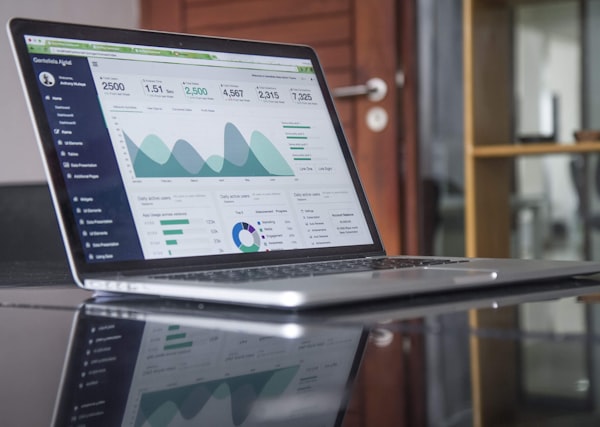
- Analytics Dashboards Visualize trends and optimize campaigns.
Businesses using LinkedIn marketing services can reach highly targeted audiences and improve lead generation.
Future of Performance Marketing
The future of what is performance marketing in digital marketing is increasingly data driven:
- AI and Machine Learning Optimize campaigns in real time for better ROI.
- Predictive Analytics Forecast user behavior and conversions.
- Mobile First Experiences responsive website development services ensure seamless user experiences, enhancing conversion rates.
- Integrated Marketing Approaches Combining PPC, social media, email, and affiliate campaigns for holistic performance.
As technology evolves, performance marketing will continue to be a critical strategy for measurable growth.
Conclusion
In summary, what is performance marketing in digital marketing is a results focused, accountable approach that ties marketing spend to measurable outcomes. By leveraging data, optimizing campaigns, and using the right tools, businesses can maximize ROI.
Industries ranging from a benefit by tracking performance using Google Analytics 4 and analyzing bounce rate trend over time. Incorporating services like what is unpaid search traffic and ensures that campaigns perform optimally.
Performance marketing is no longer optional it is a necessary strategy for sustainable growth in the digital age.
Focus on your business while we handle your online presence.
FAQs
What are the benefits of performance marketing?
The benefits of performance marketing include measurable results, cost efficiency, and higher ROI. Brands only pay for specific actions like clicks, leads, or sales, ensuring budget effectiveness. It allows real-time tracking, data-driven decision-making, and campaign optimization. Performance marketing also helps reach targeted audiences, boost conversions, and improve overall marketing performance through transparency and accountability.
When to do performance marketing?
You should do performance marketing when you want measurable, results-driven outcomes like sales, leads, or app downloads. It’s ideal for businesses looking to scale quickly, test campaigns, or maximize ROI with limited budgets. Performance marketing works best when your brand has a clear goal, tracking tools in place, and defined target audiences to optimize results.
