
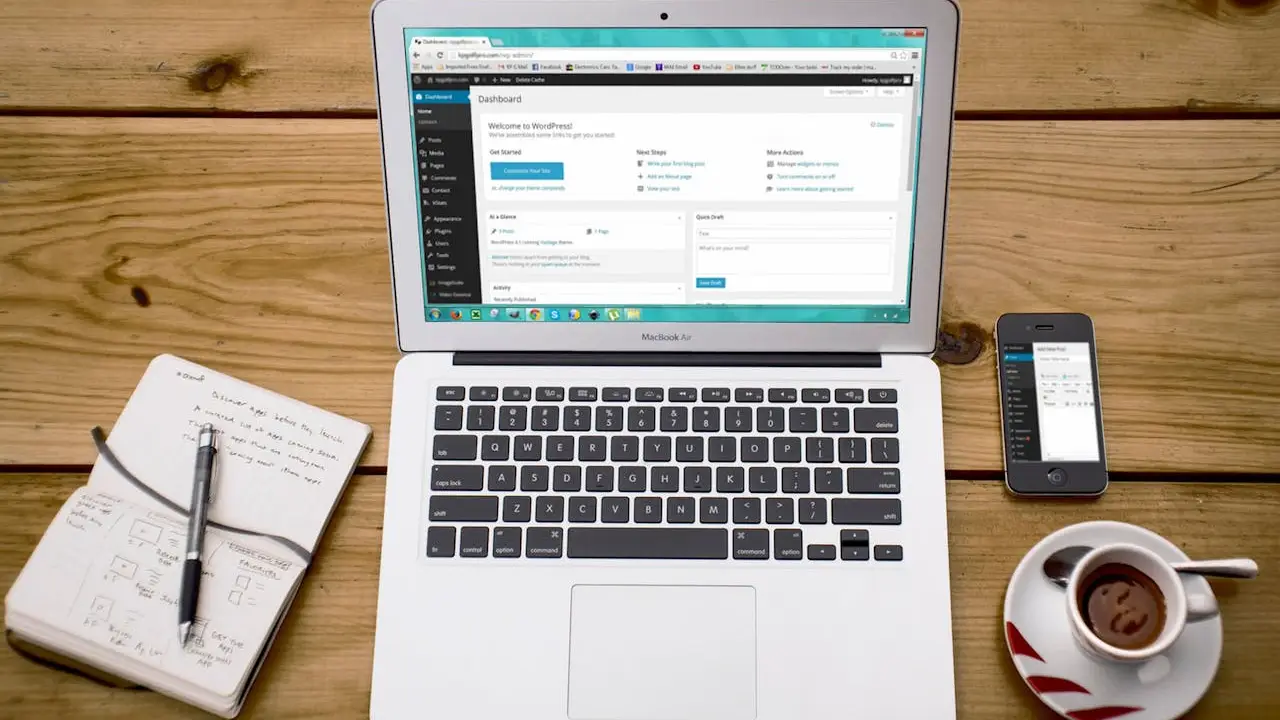
But in today’s Internet environment you have to keep your website alive so it can go on making money for you. Even if you’re a business owner, web developer or a digital marketer if you have no clue on how to do WordPress website audit, then it means that it would be wise to learn how to because it might come in handy when you want to ensure your website is safe, fast and optimized. However, it has to be done from time to time as frequent audits seem to uncover areas of performance drawbacks and aid in SEO and UX, which we know are among the rationales for steady usability in case of your website.
How to do a detailed WordPress website audit. This guide covers technical SEO as well as speed and safety checks for your website. Following these steps, you will have a properly running site that remains competitive and adheres to best practices in the digital world.
Companies looking for better data analytics on their websites can really benefit from hiring Google Analytics consulting services. An audit of SEO for shopify bradford will also be helpful to other companies in such areas. Don’t forget to keep a website maintenance checklist on hand so that you can also check on the well-being of your website throughout the year.
What is a WordPress Website Audit?
A WordPress website audit is a comprehensive review of your site’s performance, security, and functionality. It helps uncover technical errors, security risks, and SEO issues that may limit online growth. Knowing how to do WordPress website audit ensures your website stays optimized for both users and search engines. It involves examining plugins, themes, hosting, and performance metrics to ensure everything works seamlessly.
Many businesses work with a Google Analytics consultant to align website audits with data-driven insights. By conducting this process regularly, you maintain website health, safeguard your digital presence, and deliver a smooth browsing experience to visitors.
Why Your Business Needs a WordPress Website Audit
Understanding how to do WordPress website audit is crucial for long-term success. Without regular checks, websites become vulnerable to slow loading times, broken links, and security breaches. A detailed audit highlights weaknesses and ensures you remain competitive in search rankings. For small and medium businesses, audits reveal untapped opportunities for growth and highlight where improvements can be made.
Partnering with a b2b web design agency ensures design and technical improvements align with brand goals. Ultimately, audits reduce risks, enhance SEO, and deliver stronger user experiences. This makes them vital for businesses that rely on consistent online visibility and engagement.
Step-by-Step Approach to WordPress Site Design Audit
Ready to learn how to do a site audit effectively? Here’s a clear roadmap to guide your process:
- Conduct a technical scan using tools like Screaming Frog, Ahrefs, or SEMrush.
- Review page speed with Google PageSpeed Insights or GTmetrix.
- Check mobile responsiveness across multiple devices.
- Audit SEO basics meta tags, broken links, image alt texts, and schema markup.
- Evaluate design consistency from typography to brand color usage.
- Review analytics with the help of a Google Analytics consultant to track where users drop off.
- Compile a full report with recommendations and actionable next steps.
Repeat this every quarter for best results. Remember, learning how to do a site audit means knowing your site inside and out.
Dealing With UI/UX Design Issues
UI/UX problems are often the root cause of poor performance discovered in a WordPress website audit. These issues are closely tied to how users navigate your site, and they often show up in analytics as high exit rates or short session durations.
Common issues include:
- Confusing site structure
- Unclear calls to action
- Inconsistent branding
- Cluttered layouts
- Poor mobile optimization
Addressing these issues is a key part of SEO audits for WordPress websites, especially when you’re aiming to boost engagement and conversions.
1. Complete Redesign
Sometimes, the best fix after a WordPress website audit is to start fresh. A complete redesign is often necessary if your site’s design is outdated, not mobile-friendly, or doesn’t align with current branding.
This is especially common for companies undergoing rebranding or entering new markets. A complete redesign allows you to align every element with your business strategy, while fully addressing everything uncovered during SEO audits for WordPress websites.
2. Partial Redesign or Cosmetic Changes
If your audit shows the core of your site is solid, but a few elements are underperforming, a partial redesign may be enough. This might include updating your homepage hero image, refining CTAs, or changing your color scheme.
Such adjustments can have a big impact when implemented strategically, especially if you’re acting on insights learned from how to do a site audit effectively.
Resolving these issues is part of SEO audits for WordPress websites, especially if you want to increase interaction and conversions.
How to Conduct a WordPress Website Audit
To learn how to do WordPress website audit, follow a step-by-step process. Start by updating your WordPress core, themes, and plugins to prevent vulnerabilities. Run a security scan to detect malware or suspicious activities. Review website access permissions and confirm SSL/TLS encryption is active for secure browsing. It’s also important to optimize website performance by reducing unnecessary scripts and enhancing caching. Evaluate your hosting provider to ensure it supports your traffic needs. Businesses often combine this audit process with website maintenance services for continuous monitoring. Regularly following these steps ensures your website remains functional, secure, and highly optimized.
Update Core, Themes, and Plugins
When exploring how to do WordPress website audit, updating core files, themes, and plugins is essential. Regular updates patch vulnerabilities and ensure compatibility. Ignoring them increases risks, which can harm site performance and user trust.
Run a Vulnerability Scan
A key step in how to do WordPress website audit is performing vulnerability scans. This detects malware, outdated software, and coding weaknesses. Fixing issues promptly strengthens overall security and protects valuable customer data.
Review User Access
In how to do WordPress website audit, reviewing user roles is critical. Limit admin privileges, remove inactive accounts, and track permissions. This prevents unauthorized access and keeps your website more secure.
Verify SSL/TLS Encryption
SSL/TLS encryption is vital when learning how to do WordPress website audit. It secures data transfers, improves SEO rankings, and builds customer trust. Always confirm certificates are active and valid.
Implement Content Security Headers
When addressing how to do WordPress website audit, adding content security headers reduces cyber threats. It helps block malicious code, prevent attacks, and strengthen website safety.
Optimize Website Performance
Improving site speed is essential in how to do WordPress website audit. Optimize images, enable caching, and streamline scripts to enhance user experience and search performance.
Evaluate Web Hosting Performance
Hosting plays a big role in how to do WordPress website audit. Assess uptime, support response, and server speed to ensure your site runs smoothly at all times.
Common WordPress Audit Issues and How to Fix Them
When identifying how to do WordPress website audit, several issues are common. These include slow loading times, outdated plugins, poor security, and broken links. Each of these problems affects SEO performance, site trust, and user experience. Regular monitoring and fixes prevent issues from escalating.
For businesses, working with a website redesign agency can help implement structural and technical fixes uncovered during the audit. Understanding and addressing these issues ensures your site stays competitive in search results and offers visitors a smooth and safe digital experience, encouraging higher engagement and better conversion rates.
Slow Loading Times
Slow websites are a frequent issue in how to do WordPress website audit. Optimize images, use caching, and choose reliable hosting to improve loading times and retain users.
Outdated Plugins and Themes
A critical issue in how to do WordPress website audit is outdated plugins and themes. Updating them ensures better functionality, compatibility, and stronger security.
Weak Security Practices
When analyzing how to do WordPress website audit, poor security practices are a red flag. Weak passwords, missing firewalls, or no backups expose your site to cyberattacks.
Step-by-Step Approach to WordPress Site Development Audit
Here’s a practical guide on how to do a site audit with a development lens. Each step builds upon the last, forming a complete and actionable plan you can revisit regularly.
1. Stay on Top of Updates
The simplest but most often ignored part of SEO audits for WordPress websites is checking that everything is updated. Outdated plugins and WordPress core files can open the door to performance problems and security risks.
Include update management in your regular WordPress website audit checklist to ensure everything is running on the latest and most secure versions.
2. Analyze User Accounts
User access is a key element in development audits. Audit your user roles to ensure each account has the appropriate permissions. This is critical for teams collaborating on content or site updates.
Many WordPress website audit reports reveal that admin privileges are given too freely, creating security vulnerabilities that can be avoided by assigning roles more carefully.
3. Disable Unnecessary Registrations
If you’re not running a membership or community site, user registrations should be turned off. Allowing open registration invites spam and bot attacks, weakening your overall security posture.
Knowing how to do a site audit includes the ability to recognize when a feature is more harmful than helpful.
4. Strengthen Password Security
Even the most secure systems can be compromised with weak passwords. Encourage strong password practices and implement two-factor authentication when possible.
In SEO audits for WordPress websites, this falls under security optimization. You don’t want to spend time and money on SEO only to have a breach disrupt your rankings and brand trust.
5. Scan for Malware
A quality WordPress website audit always includes a malware scan. You might not even notice when a malicious script is injected into your website until it starts slowing you down or redirecting visitors.
Regular scans should be part of your maintenance cycle, especially if you’re working with external developers or frequently installing plugins.
6. Boosting Performance
Performance directly impacts SEO and user experience. If your site is slow or unreliable, it won’t matter how beautiful it looks or how well-optimized your content is.
This is why SEO audits for WordPress websites always stress backend performance checks.
1. Conduct Regular Load Testing:
Load testing simulates multiple users visiting your site at once. It reveals how your website holds up during high-traffic events, which is crucial if you run sales, launches, or promotions.
2. Optimize Site Speed:
Minify CSS and JS files, enable caching, and use lazy loading for images. These changes reduce load time, keeping users on your site longer something every WordPress website audit should prioritize.
3. Audit Your Web Hosting:
Your host can make or break your website’s performance. Review your hosting package regularly to ensure it still meets your bandwidth and traffic needs. For businesses scaling quickly, especially in travel or eCommerce sectors, this step is vital.
Brands working with a travel website development company should ensure their hosting can accommodate global audiences and seasonal spikes.
4. Check How the Website Is Running:
Finally, test your site live. Click through every major page, submit forms, and test navigation. Often, subtle errors like broken links or misconfigured redirects only show up during manual reviews.
This step, while manual, is a goldmine of insights and perfectly complements any automated tool used for conducting a site audit. Partnering with a LinkedIn marketing agency can further enhance your audit strategy by aligning your website performance with targeted professional outreach and engagement goals.
Best Practices for WordPress Website & Plugin Audits
Best practices highlight the importance of how to do WordPress website audit efficiently. Regular updates, malware scans, and performance monitoring protect your site from risks. Documenting each audit creates a history of changes for future improvements.
A travel website development company may integrate custom solutions to simplify auditing tasks. In addition, focus on plugin compatibility and only keep the necessary ones. Monitoring SEO performance, site speed, and security indicators ensures a balanced approach. By following these practices, you not only improve site health but also secure better rankings in search engines while delivering a reliable user experience.
The Importance of Website Maintenance
Once your WordPress website audit is complete, ongoing website maintenance is crucial to keep your site running smoothly. Website maintenance services help ensure that your site remains up-to-date with the latest software versions, security patches, and performance improvements. A good website maintenance plan should include:
- Regular updates to WordPress core, plugins, and themes.
- Monitoring website performance and uptime.
- Performing backups and security scans.
- Updating content and optimizing SEO.
A well-maintained website ensures that visitors have a smooth experience and that your site stays in good standing with search engines.
SEO Audit
A complete WordPress website audit must not fail to include an SEO audit. Why? Because visibility in search engines is one of the key aspects of your website’s power to attract and convert visitors. So whether you are a mere blogger, an eCommerce brand, or a service-based business, regular SEO audits for WordPress websites make sure that your content excels in talking to speed and reach.
Knowing how to do an SEO site audit helps identify the gaps in content, architecture, and keyword strategy that may be blocking you.
Who Needs a WordPress SEO Audit?
SEO audits for WordPress websites are for everyone managing a WordPress site. They are more important for those getting leads or sales solely from organic traffic. If you’ve invested in content marketing, email campaigns, and paid advertisement, then it’s best to complement those efforts with an SEO audit so all that hard work isn’t thrown off by unnoticed technical issues.
Startups, digital agencies, and even non-profits should learn how to do a site audit to remain competitive. It’s a core part of any effective WordPress website audit.
What Is Covered in an SEO Audit?
A detailed WordPress website audit for SEO looks at:
- Site speed and performance
- Keyword usage and metadata
- Broken links and redirects
- Mobile responsiveness
- Content quality and duplication
- Image alt text and file sizes
- XML sitemap and robots.txt configuration
- Indexing issues and crawlability
SEO audits for WordPress websites provide actionable insights that go beyond surface-level recommendations. The goal is to boost visibility and user experience.
Step-by-Step Approach to WordPress SEO Audit Process
- Start with Site Crawling: Use tools like Screaming Frog or Ahrefs to crawl your site and detect errors.
- Check On-Page SEO: Analyze title tags, meta descriptions, header usage, and keyword density.
- Audit Technical SEO: Review site structure, schema markup, and internal linking.
- Evaluate Mobile-Friendliness: Ensure your theme and plugins perform well across devices.
- Monitor Page Speed: Use PageSpeed Insights and GTmetrix to identify performance lags.
Knowing how to do a site audit means performing these checks periodically and adjusting based on findings.
If your SEO improvements are part of a broader digital strategy, pairing with a LinkedIn marketing agency can help amplify your reach.
Conclusion: Why a WordPress Website Audit is Crucial for Long-Term Success
This article explains why it is essential to do a WordPress Website audit to make sure one has a high performing site that is secure and friendly to the users. Therefore, getting at least yearly or bi-yearly, audit of your website for performance, SEO, for vulnerability check, and for values that will make it have an edge over the rest, is a must. The effect will be a website that not only achieves good positions in search results but will also be useful to its visitors.
The contents of this guide should be integrated into your routine practice of maintaining the website so that your site can always be in perfect state. For more detailed help, website redesign services will assist you in optimally exploiting the information that your site provides. Moreover, it will also have easy navigation and adapt to the whole concept of responsive website development services provided by your partners.
If a business cuts and seeks for a more individual approach to WA solutions, then WordPress development services should be considered as the key to enhancing Your site. For those with eCommerce sites, following the details of Shopify maintenance services can ensure your online store is well maintained. If you think about redesign, first you have to be aware of the average cost of website design for small business to budget properly.
As part of the advice from Google tag management consulting services, a proper tracking should be done across your site to further improve its tracking and measurement. Last but not least, WordPress website development services from our team guarantees your site is always current and optimized for visitors and search engines.
FAQs
How often should I perform a WordPress website audit?
You should perform a WordPress website audit every 6–12 months. Regular audits help identify security risks, outdated plugins, performance issues, and broken links. Staying consistent ensures your website remains optimized, secure, and aligned with SEO best practices.
Is a WordPress website audit only about security?
No. While security is vital, a WordPress website audit also reviews speed, SEO, usability, hosting performance, and content accuracy. The goal is to ensure smooth functionality, better user experience, and compliance with search engine requirements for better ranking and trust.
Can small businesses benefit from a WordPress website audit?
Absolutely. Small businesses gain credibility, trust, and higher search visibility through regular audits. Knowing how to do a WordPress website audit helps identify weaknesses, improve conversions, and ensure customers enjoy a professional and reliable browsing experience.


Leave a Reply