
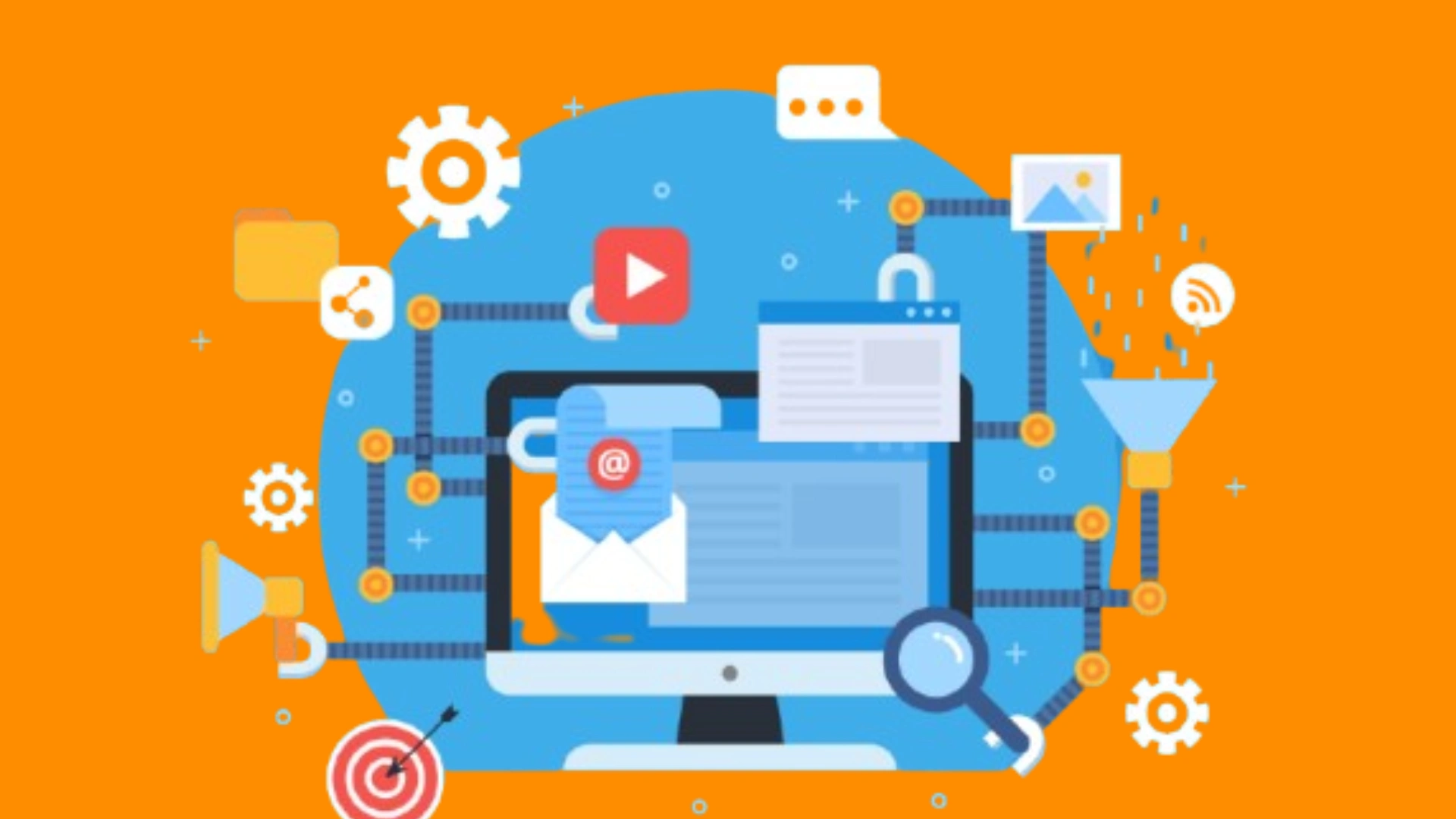
If you’ve ever wished you could clone yourself to handle all your marketing tasks sending emails, scheduling posts, tracking analytics then you already understand the need for marketing automation.
But what exactly does that mean? What’s the real story behind what are marketing automation tools and why does everyone talk about them like they’re the holy grail of digital marketing?
Let’s break it down in plain, simple language no jargon, no fluffzzz just a clear look at how marketing automation can make your business run more smoothly, save time, and boost results.
So, What Are Marketing Automation Tools Really?
When people ask what are marketing automation tools, the simplest way to explain it is this: they’re software systems that handle repetitive marketing tasks automatically, so you don’t have to.
These tools manage your email campaigns, social media posts, website notifications, lead scoring, and even ad campaigns all from one place.
Think of them as your silent digital team working 24/7. They make sure the right people get the right message at the right time whether that’s a welcome email, a reminder, or a special offer.
For example, if someone visits your website, looks at a product, but doesn’t buy, a marketing automation tool can automatically send them a gentle reminder a few hours later. That’s the magic of automation efficient, personal, and timely.
Why Knowing What Are Marketing Automation Tools Matters
If you’re running a business today, understanding what are marketing automation tools isn’t just helpful it’s essential. The online world moves fast, and your customers expect quick, personalized communication.
Without automation, that’s nearly impossible to maintain at scale. These tools help you deliver consistent, personalized messages to thousands of people, all without burning out your team.
Whether you’re part of a growing b2b web design agency or a small local business, marketing automation lets you stay connected with your audience while focusing on other critical parts of your brand like strategy and growth.
How Marketing Automation Works Behind the Scenes
To fully grasp what are marketing automation tools, it helps to see what happens in the background.
Here’s a quick snapshot:
- Collecting Data – The software gathers user data from multiple places your website, social media, email, and ads.
- Segmenting Audiences – It groups people by behavior, interests, or demographics.
- Triggering Campaigns – When users take specific actions (like signing up or abandoning a cart), the system automatically sends the right message.
- Nurturing Leads – It keeps communication going, helping leads move closer to becoming customers.
- Measuring Results – Finally, it tracks what worked and what didn’t, giving you data to refine your next campaign.
When you truly understand what are marketing automation tools, you’ll realize it’s not just about sending emails it’s about building meaningful, data-driven relationships with your audience.
The Real Benefits of Using Marketing Automation
Here’s where things get exciting. Once you understand what are marketing automation tools, you’ll start to see how they can transform your marketing from chaotic to seamless.
Time-Saving Magic
Marketing automation handles the tasks you do every day like sending follow-ups or posting content freeing you to focus on strategy and creativity.
Even if you’re already juggling projects like website maintenance services, automation ensures your marketing stays active and consistent in the background.
Personalized Customer Journeys
Imagine sending an email that feels tailor-made for each reader automation makes that possible. It tracks user behavior and sends messages that actually matter to them.
Smarter Lead Management
With automation, you can identify which leads are ready to buy and which ones still need nurturing. You don’t just collect data you use it to guide your next move.
Better ROI and Performance
Automation tools help you measure everything. You can track open rates, conversions, and click-throughs easily. Working with a Google Analytics consultant can help you take this even further by connecting automation with performance analytics.
Consistent Brand Messaging
Consistency builds trust. Whether you’re sending emails, posting on LinkedIn, or running ads, automation ensures your tone and visuals stay uniform everywhere.
The Different Types of Marketing Automation Tools
Understanding what are marketing automation tools also means recognizing that there isn’t just one kind. These platforms come in various forms depending on what you need.
Email Marketing Automation
This is the classic type tools like HubSpot, ActiveCampaign, and Mailchimp let you schedule newsletters, send automated responses, and build email workflows.
Social Media Automation
Tools like Buffer and Hootsuite allow you to plan, schedule, and analyze posts across different platforms a huge time-saver for teams offering LinkedIn marketing services or managing multiple brand pages.
CRM-Based Automation
Customer Relationship Management (CRM) systems like Salesforce automate lead tracking, sales funnels, and client communication all in one place.
Analytics Automation
Platforms that integrate with a Google Analytics audit checklist or Google Tag Management Consulting Services make it easier to track what’s working and what’s not.
Ad Campaign Automation
Google Ads and Meta Ads both use automation to help marketers optimize their campaigns, audience targeting, and budget management.
Choosing the Right Automation Tool
Now that you know what are marketing automation tools, the next step is choosing the right one.
Here’s what you should consider:
- Ease of Use – Does the tool have a simple dashboard and intuitive setup?
- Integration – Can it connect with your existing CRM, analytics tools, or email platform?
- Scalability – Will it still work for you as your business grows?
- Customer Support – Does the company provide reliable help when things go wrong?
- Reporting – Can it show you clear data on performance?
If your business offers responsive website development services or manages large digital campaigns, scalability and integration are crucial. You need a tool that fits smoothly into your workflow.
How to Use Marketing Automation Effectively
Automation is powerful, but it’s not magic. You still need a clear plan to make it work. Once you understand what are marketing automation tools, follow these tips to get real results:
- Set Clear Goals – Decide what success looks like is it more leads, better engagement, or higher conversions?
- Segment Your Audience – Not everyone needs the same message. Group people based on what they care about most.
- Use Quality Content – Automation only amplifies your content it can’t fix poor messaging.
- Test and Refine – Regularly review your campaigns using insights from your Google Analytics consultant.
- Keep the Human Touch – Even automated emails should sound human. Write as if you’re speaking directly to one person.
Real-World Examples of Marketing Automation
Let’s bring the concept of what are marketing automation tools to life with a few relatable examples:
- A travel website development company can use automation to send personalized vacation deals based on the user’s browsing behavior.
- A fashion brand can automatically follow up with customers who abandon their shopping cart with a small discount code.
- A SaaS business can use automation to welcome new users and guide them through setup using triggered onboarding emails.
Each of these examples shows how automation blends convenience with personalization two key ingredients for better marketing.
The Future of Marketing Automation
The future of automation looks even brighter. With advancements in AI and machine learning, what are marketing automation tools will continue evolving into smarter systems that understand human behavior deeply.
Soon, tools will predict what users want even before they act adjusting campaigns in real-time and delivering hyper-personalized experiences.
For businesses, this means more relevance, higher engagement, and improved efficiency. The goal isn’t to replace human marketers it’s to empower them with smarter tools.
Wrapping It Up
So, to sum it all up what are marketing automation tools aren’t just trendy software. They’re your secret weapon for running smarter, faster, and more effective marketing campaigns.
They handle the routine, give you time to focus on creativity, and ensure every message you send feels personal even when it’s automated.
Whether you’re a startup, a b2b web design agency, or a growing eCommerce brand, adopting automation is no longer optional it’s essential for growth.
And if you pair these tools with expert support like guidance from a Google Analytics consultant, the technical insight of a Google Tag Management consulting services provider, or the strategic input of a team offering website maintenance services you’ll be equipped to build a marketing system that works like clockwork.
Next time someone asks you what are marketing automation tools, you’ll know the answer they’re the bridge between smart marketing and sustainable success.
FAQs
What are marketing automation tools and why do they matter?
Marketing automation tools are software platforms that handle repetitive tasks such as sending emails, tracking leads, and analyzing campaigns. They matter because they help businesses save time, reduce manual effort, and create more targeted communication. By automating routine work, these tools make marketing more efficient and allow teams to focus on strategy, creativity, and customer engagement.
Do small businesses need marketing automation?
Yes, small businesses benefit from marketing automation. It helps them stay consistent with follow-ups, nurture leads automatically, and maintain professional communication even with a small team. Automation ensures that important tasks continue running smoothly without constant manual input, allowing small businesses to compete more effectively and use their time on higher-value activities like sales and customer service.
What are examples of marketing automation tools?
Examples of marketing automation tools include HubSpot, ActiveCampaign, Mailchimp, and Salesforce. These platforms offer features such as automated email sequences, CRM integration, behavioral tracking, and detailed analytics. Depending on your business needs, you can choose a simple tool for basic workflows or a more advanced platform for complex automation and customer management.
Is automation expensive?
Automation is not always expensive because many tools offer different pricing levels to suit various business sizes. Some even provide free or low-cost starter plans, making it easy for small businesses to get started. As your needs grow, you can upgrade to more advanced features. Overall, automation often saves more time and resources than it costs.
How do I know which automation tool is best for me?
To choose the best automation tool, begin by defining your goals and understanding what tasks you want to automate. Make sure the tool integrates well with your existing systems such as CRM or ecommerce platforms. Testing free trials can also help you see how the tool fits into your workflow. The ideal tool should feel easy to use and should simplify your processes rather than complicate them.


Leave a Reply