
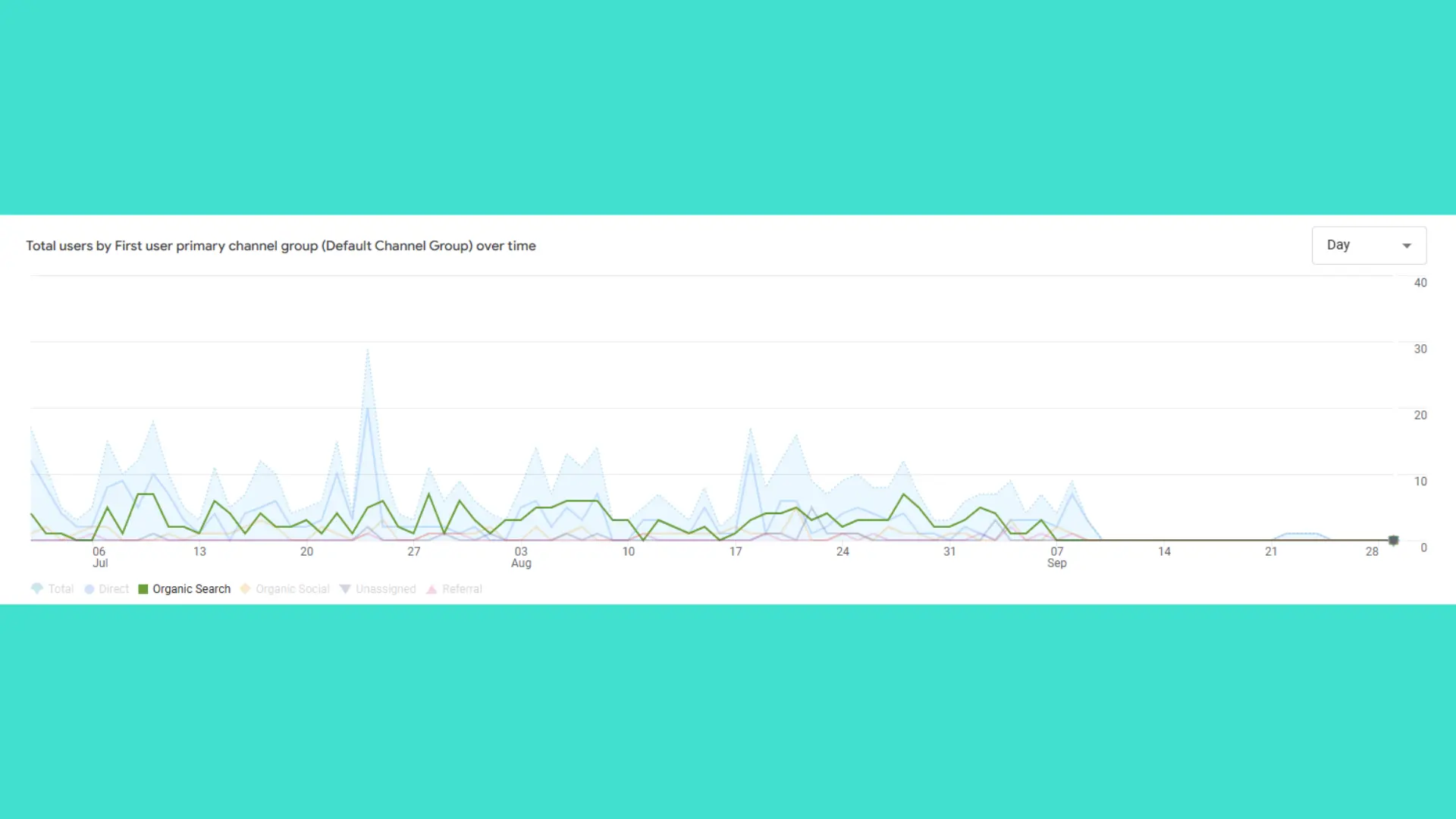
This dip in traffic has surely been your nightmare at some point as you log into your analytics dashboard. I understand how stressful it can be to wonder what causes organic traffic to decrease when everything seemed fine just yesterday. Organic traffic is not just a number; it shows your brand visibility, how much trust you are building, and how many potential customers you are reaching. When it drops, it feels like losing momentum in your business journey. But, the good thing in all this is that there is always a cause for it, and, with the proper insight, you can change the situation.
Understanding Organic Traffic
Before diving into what causes organic traffic to decrease, Organic traffic simply constitutes the visitors who land onto a particular website from unpaid search results on platforms like Google, Bing, or Yahoo. The traffic is of interest, because it means the website appears for relevant queries just without any paid advertisements.
When such traffic declines, panic will set in for businesses; however, steps to remedy the problem can be taken if the causes of the problem are identified, which include regaining visibility.
Common Reasons Why Organic Traffic Drops
1. Google Algorithm Updates
Since search algorithms serve different facets of user experience, Google keeps updating them at intervals. Whenever these updates are rolled out, some websites may experience ranking fluctuations. One major factor in what causes organic traffic to decrease is being negatively impacted by such updates. Hence, if your web page does not comply with the latest search quality guidelines, you lose the ranking.
Solution: Algorithm changes should be kept on raw files, analyzed for never-ending performance, and changes to content and SEO practices.
2. Declining Keyword Rankings
If you notice a drop in traffic, first check if your main keywords have gone down the search rank order. Since organic traffic depends highly on keywords, losing ranking positions is one of the main answers as to what causes organic traffic to decrease.
Solution: Using Google Search Console, for example, monitor the ranking of your keywords and adjust your content strategies to target new related terms.
3. Content Quality Issues
A low-quality or outdated content can damage rankings. Google basically expects content to have value, expertise, and trustworthiness. If your content is thin, duplicate, or irrelevant, it may explain what causes organic traffic to decrease.
Solution: Update your old content with rich insights, and let your writing project authority and accuracy.
4. Technical SEO Errors
Sometimes, the issue might not be with content or keywords. Various technical problems-from broken links, slow page speed, or inappropriate redirects to crawlability issues-could be causing an organic traffic hit. Search engines must smoothly navigate your site to establish precise indexing.
Solution: Carry out a technical audit of your site now and then and hire good website maintenance services to keep traffic from further losses.
5. Mobile Usability Problems
And in most cases, when users search from their phones, poor mobile experience is a serious factor in what causes organic traffic to decrease. Nonresponsive websites tend to be penalized in rankings.
Solution: Work with experts in responsive website development services to optimize your site for all devices.
6. Competition Growth
Being online is highly competitive indeed. If a competitor improves their SEO techniques, puts out better content, or scores more backlinks, it might explain what causes organic traffic to decrease for your site.
Solution: Run competitor analysis, find gaps, and improve your SEO campaigns for a winning edge.
7. Lost Backlinks
High-quality backlinks signal authority to search engines. Losing them can be a direct reason behind what causes organic traffic to decrease. When an important backlink gets lost, the rankings usually start to dip.
Solution: Backlink analysis tools can be used to spot lost links and get them replaced or duplicate the process to build new quality backlinks.
8. Indexing or Crawling Issues
Pages of your website that are not crawling or indexing correctly will certainly not show in search results. This often explains what causes organic traffic to decrease unexpectedly.
Solution: Using Google Search Console to monitor indexing and to solve problems like robots.txt restrictions or noindex tags.
9. Outdated User Experience
Increasingly, search engines give priority to user experience (UX). If a website happens to be slow, cluttered, or confusing, it may explain what causes organic traffic to decrease.
Solution: Go ahead and hire a b2b web design agency to boost UX and implement a contemporary design approach.
10. Changes in Search Intent
User search intent evolves over time. If your content doesn’t align with what users currently want, this mismatch could be what causes organic traffic to decrease.
Solution: Regularly analyze search trends and update content to match intent.
11. Seasonal Trends
For certain industries like retail or travel, traffic naturally fluctuates. If you operate in such a space, seasonality might be what causes organic traffic to decrease during off-peak times.
Solution: Plan content calendars around seasonal demand, especially if you are a travel website development company or service provider.
12. Poor Analytics Tracking
Sometimes, the issue isn’t traffic itself but tracking. Faulty analytics setup can make it appear like your traffic has decreased when it hasn’t. This misconception often confuses businesses about what causes organic traffic to decrease.
Solution: Consult with a Google Analytics consultant or use Google Tag Management consulting services to ensure proper tracking setup.
13. Thin or Duplicate Pages
If your website has too many pages with similar or duplicate content, search engines may lower visibility. This is another common factor in what causes organic traffic to decrease.
Solution: Consolidate duplicate content, focus on unique insights, and keep content relevant.
14. User Engagement Signals
Google evaluates user engagement metrics such as bounce rate, time on page, and click-through rates. Poor engagement is a hidden but significant reason behind what causes organic traffic to decrease.
Solution: Improve content structure, use visuals, and provide clear CTAs to keep visitors engaged.
15. Over-Optimization or Penalties
Keyword stuffing, unnatural backlinks, or manipulative SEO tactics can trigger penalties. In such cases, penalties directly explain what causes organic traffic to decrease.
Solution: Follow white-hat SEO practices and perform a Google Analytics audit checklist to track irregularities.
16. Local SEO Declines
For businesses targeting local customers, changes in local SEO ranking factors, like reviews or local citations, can explain what causes organic traffic to decrease.
Solution: Strengthen local listings, collect genuine reviews, and maintain accurate NAP (Name, Address, Phone Number) details.
17. Platform-Specific Shifts
With growing competition from platforms like social media, sometimes traffic shifts from search to other channels. If your audience prefers LinkedIn or Instagram, this could explain what causes organic traffic to decrease.
Solution: Balance efforts by investing in LinkedIn marketing services to diversify traffic sources.
18. Security and Trust Issues
Websites without HTTPS or with malware warnings suffer from reduced trust and rankings. This is a critical factor in what causes organic traffic to decrease.
Solution: Ensure SSL certification, secure hosting, and compliance with Google’s security standards.
How to Recover from Organic Traffic Declines
Now that we’ve explored what causes organic traffic to decrease, the next step is to focus on recovery strategies:
- Conduct a full SEO and content audit.
- Track technical health regularly.
- Update content to align with user intent.
- Strengthen backlink profiles.
- Enhance UX and mobile usability.
- Leverage analytics tools effectively.
By maintaining consistency and aligning with EEAT principles, your website can recover and grow sustainably.
Final Thoughts
Understanding what causes organic traffic to decrease is critical for any business that depends on search visibility. The drops in traffic are not always necessarily an indicator of failure-a drop can be a good opportunity to polish strategies, hone the user experience, and build up authority within the niche. If these issues are confronted and resolved through best practices, they can be turned around into long-term opportunities for growth.
FAQs
Why does organic traffic decrease?
What causes organic traffic to decrease? Several things could be at play here, including Google algorithm updates; poorer keyword ranking; indexed content solutions; issues with the technical SEO; or increased competition. At times, traffic drops could also be caused by an obsolete user experience, broken backlinks, or just errors in tracking. Then there are seasonal trends and shifting search intent coming into play for visibility. When you correctly identify these factors ahead of time, you can then fix your marketing strategy and regain your rankings for sustainable growth.
What affects organic traffic?
There are so many things that affect organic performance; hence, it is crucial to understand what causes organic traffic to decrease. These may include anything from algorithm changes, keyword ranking changes, and relevance to content, site speed, and mobile usability. A decrease in backlinking, adulterated engagement, or perhaps technical mishaps may get a hold of visibility in the process. Factors like seasonal demand or changing intent never help. Yet, consistent content optimization, analytics monitoring, and user experience enhancements can help you mitigate these risks, allowing for steady organic growth.
Why did my traffic go down?
If you’re wondering why your traffic dropped, the answer often lies in what causes organic traffic to decrease. Google updates, loss of keyword rankings, outdated or thin content, or technical SEO problems such as crawling errors stand on top of the enormous green tree of issues. Instances to consider are competition, broken backlinks, or a lack of mobile usability. Seasonal shifts and the changing intent of users are contributing factors as well. The very quick identification of the problems aids in the restoration of visibility and the healthy growth of concerned sites.


Leave a Reply